
The evolution of financial markets over the past few decades has been shaped significantly by technological advancements. online trading, once a niche activity, has now become a mainstream method for individuals and institutions to participate in global markets. Technology has transformed the way traders access information, execute transactions, and manage risk, leading to rapid growth in online trading.
Enhanced Accessibility to Markets
One of the most notable contributions of technology to online trading is improved accessibility. In the past, trading was limited to those who had direct connections with brokers or access to physical exchanges. Today, anyone with an internet connection can open a trading account and participate in markets across the world. Platforms are available on desktops, laptops, tablets, and smartphones, enabling trading from virtually anywhere. This accessibility has encouraged more people to explore investment opportunities, contributing to market growth.
Advanced Trading Platforms
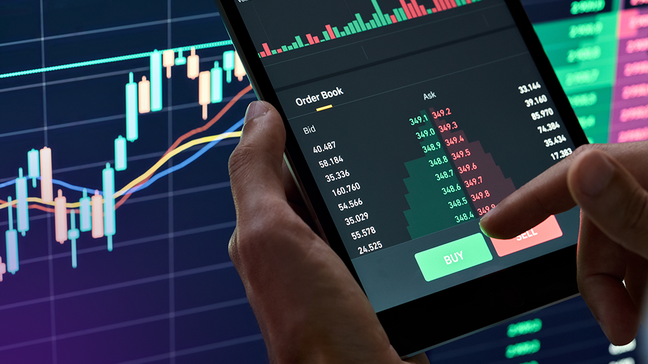
Modern trading platforms offer powerful tools that go far beyond basic order execution. They integrate real-time data, advanced charting, technical indicators, and automated trading options into a single interface. Traders can analyze market trends, develop strategies, and execute trades efficiently. The availability of such comprehensive platforms has not only made trading more efficient but also attracted a wider audience by reducing the learning curve for beginners.
Real-Time Market Data and Analysis
The speed at which information is delivered plays a critical role in trading success. Technology has enabled the delivery of real-time market data, news updates, and analytical tools directly to traders. This instant access helps traders react swiftly to market movements, seize opportunities, and manage risks effectively. Additionally, the integration of artificial intelligence and algorithmic analysis has enhanced predictive capabilities, giving traders more confidence in their decisions.
Automation and Algorithmic Trading
Automation has revolutionized trading by removing the need for constant manual monitoring. Algorithmic trading systems can execute trades based on predefined rules, ensuring speed and accuracy that human traders cannot match. This has made it possible for traders to operate around the clock and take advantage of opportunities in multiple markets without being physically present. Automated systems also help eliminate emotional decision-making, promoting disciplined and consistent trading practices.
Improved Risk Management Tools
Technology has introduced sophisticated risk management features that protect traders from excessive losses. Tools such as stop-loss, take-profit, and trailing stops are now standard in most trading platforms. Advanced analytics allow traders to assess portfolio performance, identify risk exposure, and make adjustments as needed. These innovations have helped traders maintain better control over their investments and adapt to changing market conditions.
Global Connectivity and Market Expansion
Online trading growth has also been fueled by the ease of accessing global markets. Technology bridges geographical barriers, allowing traders to invest in foreign stocks, currencies, commodities, and other assets with minimal effort. This interconnectedness has expanded the range of opportunities and encouraged cross-border investment activity.
Conclusion
The role of technology in the growth of online trading cannot be overstated. From improving accessibility and efficiency to providing powerful analytical tools and automation, technology has redefined the trading landscape. As innovations continue to emerge, online trading is expected to become even more advanced, offering traders greater opportunities and more sophisticated ways to navigate the ever-changing financial markets.