
When it comes to heating our homes, traditional furnaces are no longer the only option. Air heat pumps are an increasingly popular choice among homeowners, especially in areas with moderate climates. Air heat pumps are an energy-efficient way of heating and cooling your home, and they are easy to install and maintain. In this article, we will go over the basics of air heat pump (luftvärmepump) how they work, and why they are a good choice for homeowners.
How do air heat pumps work?
Air heat pumps work by transferring heat from the outside air to the inside of your home. They use a refrigerant to absorb heat from the outdoor air and then compress it, increasing its temperature before releasing it into your home. The process is reversed when cooling your home. In the warmer months, the heat pump absorbs heat from your home and releases it outside, keeping your home cool.
How efficient are air heat pumps?
Air heat pumps are very efficient because they use electricity to move heat, rather than to generate it. According to the U.S. Department of Energy, air heat pumps can be up to three times more efficient than traditional electric resistance heating systems. This means that for every unit of electricity used, the heat pump can produce up to three units of heat. The efficiency of an air heat pump is measured by a rating system called the Seasonal Energy Efficiency Ratio (SEER) and the Heating Seasonal Performance Factor (HSPF). The higher the SEER or HSPF rating, the more efficient the heat pump is.
What are the benefits of using an air heat pump?
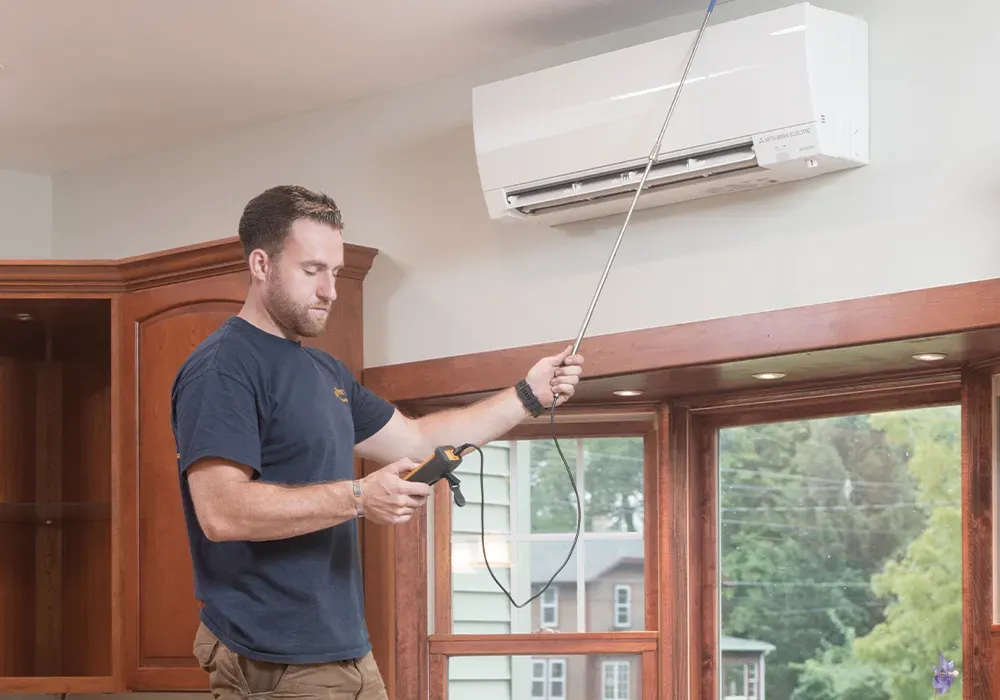
Aside from their energy efficiency, air heat pumps have several benefits for homeowners. They are easy to install, require minimal maintenance, and operate quietly. They can also be used to heat and cool different zones of your home independently, allowing you to customize the temperature in each room. Another benefit of using air heat pumps is their versatility. They can be used in both residential and commercial settings, and can be used as the primary source of heating or as a supplement to an existing heating system.
Are there any drawbacks to using an air heat pump?
While there are many benefits to using an air heat pump, there are also some drawbacks to consider. The biggest drawback is that air heat pumps are not as effective in extreme cold weather conditions, as there is less heat available in the outdoor air to extract. In regions with colder climates where temperatures frequently dip below freezing, air heat pumps may not be the best choice as a primary source of heating. They may need to be supplemented with another heating source, such as a furnace.
How do I choose the right air heat pump for my home?
Choosing the right air heat pump for your home involves considering a few factors. You will need to know the size of your home and the climate you live in, as well as any existing heating and cooling systems you have in place. You will also need to consider your budget and any incentives or rebates that may be available. A qualified HVAC contractor can help you choose the right air heat pump for your home and provide you with an estimate of the installation costs.
Conclusion:
In summary, air heat pumps are a versatile and energy-efficient way to heat and cool your home. They work by transferring heat from the outdoor air to the inside of your home, making them very efficient. While there are some drawbacks to consider, such as their effectiveness in extreme cold weather conditions, air heat pumps are a good choice for homeowners living in moderate climates. When choosing an air heat pump for your home, consider factors such as size, climate, and budget, and consult with a qualified HVAC contractor to help you make the right choice.