
The gentle warmth of the sun on your skin, the soft focus of daylight streaming through the leaves of your garden – natural light is more than just a mood lifter; it’s a crucial factor in our health and wellbeing. This ancient source of vitality has implications for everything from our circadian rhythm to our immune system. And when you bring this gift indoors through the windows of your Garden Rooms, you're integrating a powerful wellness tool into your home design. Below, we'll explore the myriad health benefits of natural light and how you can optimize your space to harness its full potential.
The Lifeforce of Light
Natural light has been lauded throughout time for its healing properties. The wavelengths of the sun's natural spectrum are not just visible in a rainbow; they also carry the invisible energy of ultraviolet rays. These rays, which influence our energy levels and moods, can do wonders for physical health and mental clarity.
When we bask in the morning sun, we soak up vitamin D, which is crucial for bone health, immune function, and even mental acuity. This vitamin is not easily found in foods and is difficult to supplement adequately through diet alone, making natural light the most critical source. In fact, a 2011 study published in the "Archives of Internal Medicine" indicated that vitamin D can significantly lower the risk of heart disease, diabetes, and certain forms of cancer.
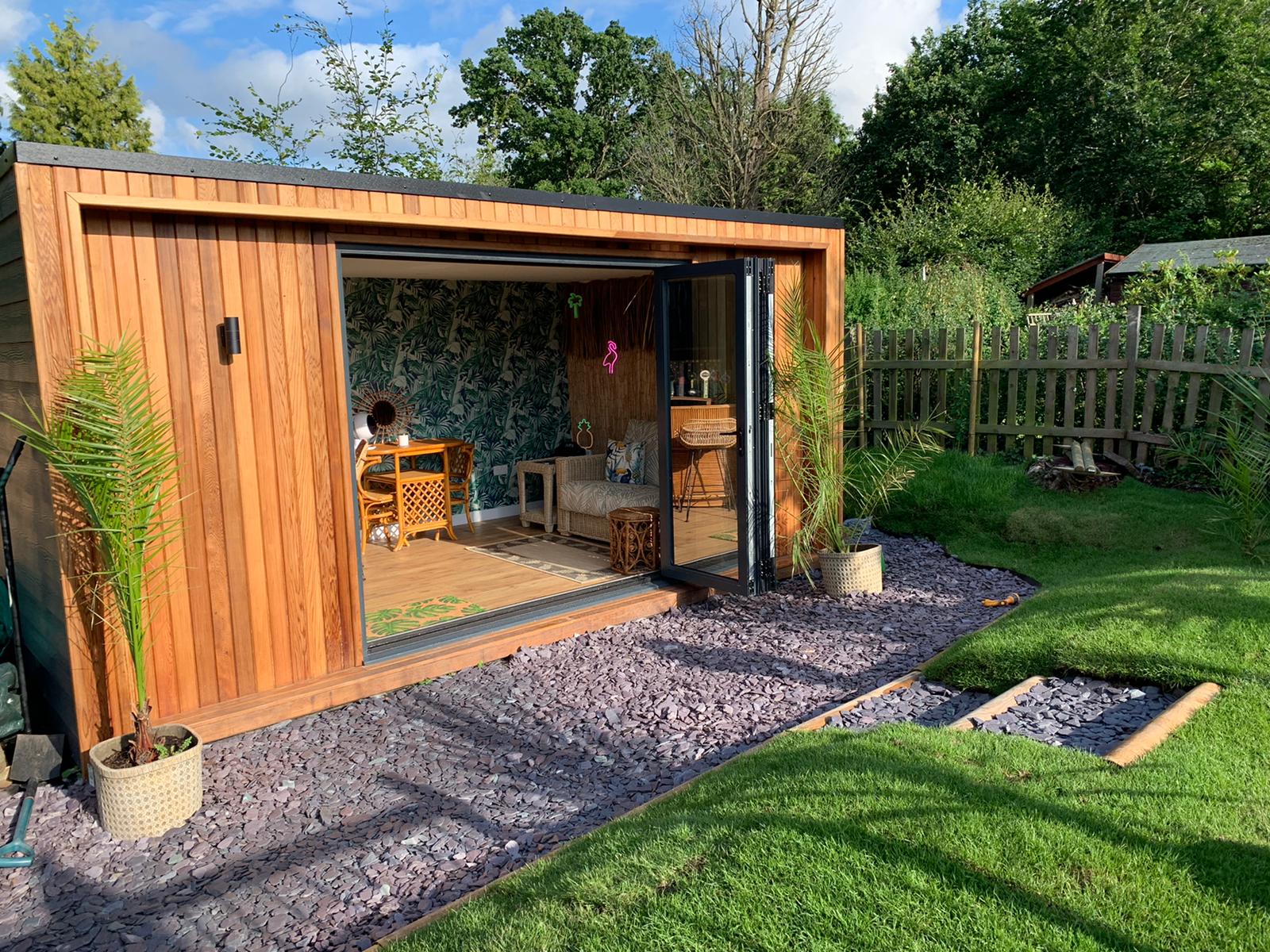
Furthermore, natural light exposure governs our circadian rhythm, the internal clock that dictates our sleep cycles. A well-regulated circadian rhythm ensures restorative sleep, which in turn supports brain function, emotional wellbeing, and a robust immune system. By including garden rooms with ample windows in your living or workspaces, you create more opportunities to synchronize your internal clock with the natural light-dark cycle of the day.
Designing for Daylight Delight
Maximizing on natural light in your garden room requires thoughtful architectural and design choices. It's not just about the number of windows but also their placement, size, and any shading structures to prevent the harshness of peak sunlight. The strategic use of reflective surfaces, such as light-colored walls or polished floors, can bounce light deeper into the room.
The fenestration (the arrangement of windows and doors) can be optimized for cross-ventilation, inviting in a breeze that carries not only freshness but also the subtle shifts in air pressure that seem to awaken the senses. Consider the landscaping around your garden room, too; tall, dense shrubbery can filter harsh sunlight, softening its entry into the room.
Cultivate Your Indoor Light Oasis
The benefits of natural light in your garden room extend beyond mere presence. By thoughtfully organizing your space to capitalize on the sun's path, you create micro-environments that cater to different health needs. A corner with a comfortable chair and a stack of books might suffuse the soul with warmth and cheer during early mornings, while a designated yoga or exercise area might absorb the midday sun's invigorating energy.
Incorporating plants or a small garden within the room not only furthers the light's relaxing capabilities but also purifies the air and connects you with the natural world. Dense foliages thrive under the ambient light and can serve as a visual reminder of the quiet, inherent vitality of the natural world.
The Illumination Imperative
The health benefits of harvesting natural light in garden rooms go beyond aesthetics; they're rooted in our biological makeup. By designing spaces that consciously integrate light, we can foster health and vitality indoors. Whether it’s an afternoon bathed in sunbeams or the midnight glow of the moon, the illumination imperative is clear—light is essential for life, and it should be a central component of our private retreats.