
Once nothing more than a childhood pastime, collecting has evolved into a sophisticated market, with enthusiasts, investors, and hobbyists shaping it into an industry that caters to the nostalgic and the shrewd. With the rise of the internet, e-commerce, and social media, the way we collect and the value we place on collectibles have transformed. To gain a clearer perspective on this evolution, we turn to the experts at Raleigh's Sports card show, who offer a rich tapestry of perspectives on what it means to collect today.
Childhood Memories to Adult Nostalgia
Many of us can trace our first foray into collecting back to our earliest memories. Baseball cards pegged to bicycle spokes, stickers meticulously swapped and pasted into albums, and action figures that started the building blocks of a later comic book collection. For most, these collections represent companions of a simpler time, but for the serious, it marks the genesis of a lifelong passion. Kyle Thompson, an organizer of Raleigh's Sports Card Show, describes this pilgrimage as a path that leads both "to the past and into the future," with collectors revisiting their childhood interests in their adult valuation of these items.
From Rarity to Relativity
The foundational principle of collecting is rarity. The rarest items in any category demand premium prices, and no market exemplifies this more than sports memorabilia. However, Brian Davis, a dealer at the show, suggests that while rarity remains important, context and connection are driving a new wave of value. Fans are no longer satisfied with simply owning a rare piece; they want the jersey worn during the game where their favorite player broke a record. The value now lies not just in the item's scarcity but in the story it can tell.
The Digital Age and Its Impact
E-commerce platforms and auction websites have democratized collecting, making it easier for enthusiasts to find and buy items once reserved for private sales and exclusive auctions. This shift has seen a boon in the industry, but it has not been without its challenges. Greg Roberts, a collector and blogger at the show, notes that while the internet has broadened the horizons for collectors, it has also brought forth a paradox of choice. With so many options available, the decision-making process becomes more complex. Furthermore, the surge in popularity of digital collectibles, like trading cards or art, has created a schism in what it means to own and collect, with many questioning the intrinsic value of ownership when there's no physical item to possess.
The Role of Community
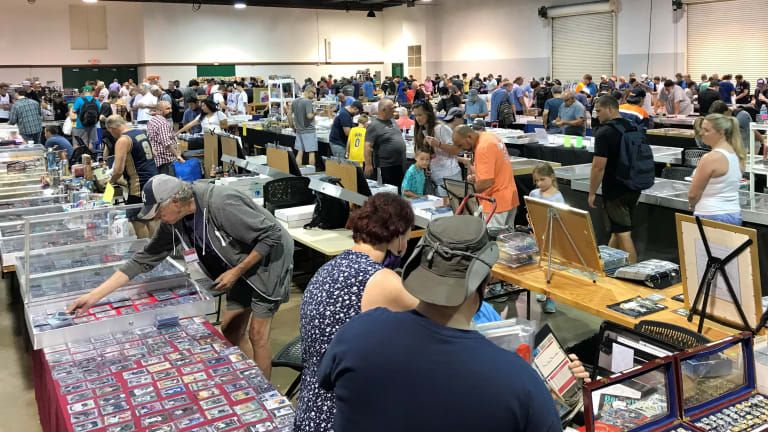
Despite the digital disruption, in-person events like Raleigh's Sports Card Show remain the heart and soul of collecting. Here, in the hustle and bustle of traders and enthusiasts, a community thrives. Collectors bond over their shared interests, debate the merits of different items, and build relationships that often outlast the items themselves. This sense of community, encourage the experts, is perhaps the most enduring evolution of collecting. In a time where so much is disposable, the opportunity to connect over objects steeped in personal and cultural significance is invaluable.
Conclusion
The act of collecting, as evidenced by the insights provided at Raleigh's Sports Card Show, is a dynamic intersection of past and present, tangibility and digital abstraction, and individual pursuit within a thriving collective. Whether we collect to invest, to remember, or to connect, one thing is certain—the evolution of collecting mirrors the human experience itself. Like the items we cherish, our collections are a mosaic of who we are and where we hope to go.