
The world is shifting towards renewable energy sources, and solar power is at the forefront of this revolution. Whether you're a business owner, a homeowner, or just someone interested in sustainability, understanding the global impact of solar cells on energy production is crucial. Not only are solar cells (solceller) helping to reduce carbon footprints, but they are also paving the way for a cleaner, more sustainable future. This blog post will explore the many facets of solar energy, including its benefits, technological advancements, and future potential.
1. A Brief History of Solar Energy
Solar energy has come a long way since its early days. Initially, solar power was expensive and inefficient, making it a less viable option compared to fossil fuels. However, with advancements in technology and growing environmental concerns, solar energy has become more accessible and efficient. Today, solar cells are used in various applications, from powering homes to fueling space missions.
2. How Solar Cells Work
At the heart of solar energy production are photovoltaic (PV) cells, commonly known as solar cells. These cells convert sunlight into electricity through the photovoltaic effect. When sunlight hits the solar cell, it excites electrons, creating an electric current. This current is then captured and converted into usable electricity. It's a simple yet powerful process that harnesses the sun's energy to power our world.
3. Environmental Benefits of Solar Energy
One of the most compelling reasons to adopt solar energy is its environmental benefits. Unlike fossil fuels, solar energy produces no greenhouse gases, making it a cleaner alternative. Additionally, solar power reduces dependency on finite resources like coal and oil, contributing to long-term sustainability. By switching to solar energy, we can significantly reduce our carbon footprint and combat climate change.
4. Economic Advantages of Solar Power
Switching to solar energy isn't just good for the environment; it's also economically beneficial. Solar power systems can reduce or even eliminate electricity bills, providing long-term savings. Additionally, various government incentives and rebates make solar installations more affordable. Over time, the initial investment in solar technology pays off, offering a high return on investment.
5. Technological Advancements in Solar Cells
The efficiency and affordability of solar cells have improved dramatically over the years. Modern solar panels are more efficient at capturing sunlight and converting it into electricity. Innovations like bifacial panels and solar tracking systems have further boosted efficiency. These advancements make solar energy a more viable option for a broader range of applications.
6. Solar Energy in Residential Areas
Residential solar installations are becoming increasingly popular. Homeowners are recognizing the benefits of generating their own electricity and reducing their reliance on the grid. Solar panels can be installed on rooftops or in yards, making it easy for homeowners to harness the sun's power. With the added benefit of increasing property value, solar energy is a smart investment for homeowners.
7. Solar Power in Commercial and Industrial Sectors
Businesses and industries are also turning to solar energy to meet their power needs. Large-scale solar installations can provide significant cost savings and reduce operational expenses. Companies that adopt solar energy can also enhance their corporate image by showcasing their commitment to sustainability. In many cases, solar power can provide a competitive edge in the marketplace.
8. Solar Farms and Large-Scale Installations
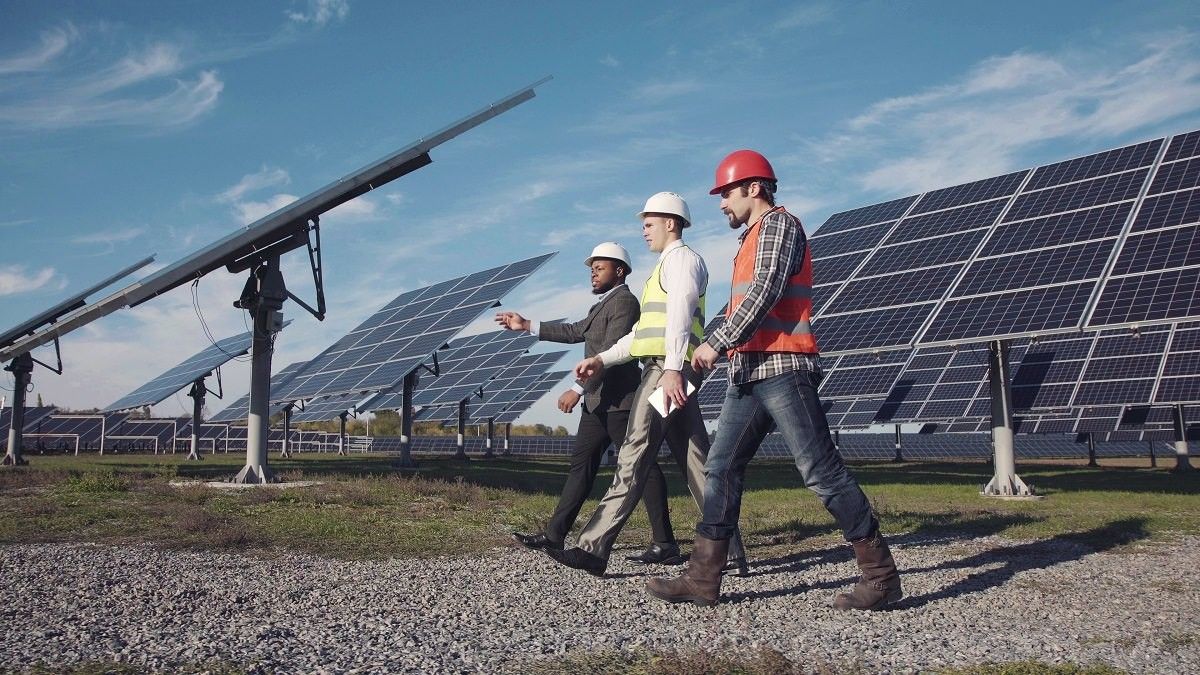
Solar farms are large-scale solar installations that generate electricity for the grid. These farms consist of thousands of solar panels spread over vast areas, capturing sunlight and converting it into electricity. Solar farms play a crucial role in meeting global energy demands and reducing reliance on fossil fuels. They are a testament to the scalability and potential of solar energy.
9. Challenges and Limitations of Solar Energy
Despite its many benefits, solar energy does have its challenges. One of the primary limitations is the variability of sunlight, which can affect energy production. Additionally, the initial cost of solar installations can be a barrier for some individuals and businesses. However, ongoing research and development are addressing these challenges, making solar energy more reliable and affordable.
10. The Role of Government and Policy in Solar Adoption
Government policies and incentives play a crucial role in promoting solar energy adoption. Subsidies, tax credits, and rebates make solar installations more affordable for consumers. Additionally, policies that mandate renewable energy usage can drive the growth of solar power. Government support is essential for accelerating the transition to a sustainable energy future.
11. The Future of Solar Energy
The future of solar energy is bright. With continuous advancements in technology and growing environmental awareness, solar power is set to play a significant role in global energy production. Researchers are exploring new materials and methods to enhance solar cell efficiency. Additionally, integration with other renewable energy sources will create a more resilient and sustainable energy grid.
12. How to Get Started with Solar Energy
If you're considering making the switch to solar energy, there are several steps you can take. Start by assessing your energy needs and determining the feasibility of solar installations in your area. Research different solar providers and products to find the best fit for your needs. Finally, take advantage of government incentives and rebates to reduce the initial cost. Making the switch to solar energy is a significant step towards a sustainable future.
13. Real-Life Examples of Solar Success
Numerous real-life examples illustrate the success of solar energy adoption. From small residential installations to large-scale solar farms, solar power is making a difference worldwide. For instance, countries like Germany and China have invested heavily in solar energy, leading to significant reductions in carbon emissions. These success stories demonstrate the potential of solar energy to transform our energy landscape.
14. Join the Solar Revolution
By now, it's clear that solar energy offers numerous benefits, from environmental sustainability to economic savings. Whether you're a homeowner, business owner, or just a sustainability enthusiast, there's a place for you in the solar revolution. Join the growing community of individuals and organizations making a positive impact through solar energy. Together, we can create a cleaner, greener future.
Conclusion
The global impact of solar cells on energy production is undeniable. From reducing carbon emissions to providing economic benefits, solar energy is a crucial tool for a sustainable future. By understanding the potential of solar power and taking steps to adopt it, we can collectively contribute to a cleaner, greener world. If you're ready to make the switch and explore the benefits of solar energy, there's no better time than now. Join the solar revolution and be part of the change. Learn more about how to get started with solar energy and make a lasting impact today.