
In an age where technology seamlessly integrates into our daily lives, the concept of a "smart home" is no longer a distant dream but a reality. Among the various innovations making waves in this domain, automatic closing windows stand out as a remarkable advancement. These modern marvels not only elevate convenience and security but also contribute significantly to energy efficiency and overall home comfort. In this article, we'll delve into the science behind automatic closing window and explore the myriad benefits they offer.
The Science Behind Automatic Closing Windows
Automatic closing windows are a sophisticated blend of mechanical engineering and advanced sensor technology. At their core, these windows are designed to operate autonomously based on pre-set conditions or real-time data inputs. Here's a look at the key components that make them function:
1. Sensors
Automatic closing windows are equipped with various sensors, including:
Temperature Sensors: These sensors detect changes in indoor and outdoor temperatures, triggering the windows to close or open accordingly to maintain a comfortable indoor climate.
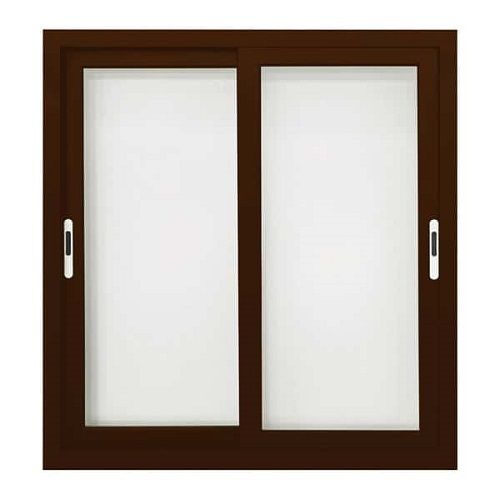
Humidity Sensors: By monitoring humidity levels, these sensors help prevent condensation and mold growth inside the home.
Rain Sensors: These sensors detect rainfall and automatically close the windows to prevent water from entering the house.
Wind Sensors: High winds can be harmful to both the windows and the interior of the house. Wind sensors ensure the windows close during strong gusts to protect the home.
2. Actuators
The actuators are the muscles of the system. Once the sensors detect specific conditions, they send signals to the actuators, which are responsible for the physical action of opening or closing the windows. These actuators are typically powered by electric motors and are designed to operate silently and efficiently.
3. Control System
The control system is the brain behind the operation. It processes data from the sensors and makes decisions based on pre-programmed algorithms. Homeowners can often customize these settings through a dedicated app or a central home automation system, allowing for a high degree of personalization.
Benefits of Automatic Closing Windows
The integration of automatic closing windows into modern homes offers a range of benefits that go beyond mere convenience. Here’s a closer look at how they can enhance your living experience:
1. Enhanced Energy Efficiency
One of the most significant advantages of automatic closing windows is their contribution to energy efficiency. By intelligently managing the opening and closing of windows based on temperature and weather conditions, these systems help maintain a consistent indoor temperature. This reduces the reliance on heating and cooling systems, leading to lower energy consumption and utility bills.
2. Improved Indoor Air Quality
Automatic closing windows enhance ventilation by opening windows during optimal weather conditions and closing them when pollutants or allergens are detected. This ensures a steady flow of fresh air, helping to maintain healthier indoor air quality without compromising on comfort.
3. Increased Security
Home security is a top priority for homeowners, and automatic closing windows offer an additional layer of protection. These windows can be programmed to close automatically when the house is unoccupied or during nighttime, minimizing the risk of unauthorized entry. Integration with home security systems further enhances this benefit, providing peace of mind.
4. Weather Protection
Unexpected weather changes, such as sudden rainstorms or high winds, can cause damage to the interior of a home. Automatic closing windows respond to these conditions in real-time, ensuring your home remains dry and protected from the elements. This can prevent costly repairs and maintain the longevity of your property.
5. Convenience and Comfort
For many homeowners, the convenience factor alone is worth the investment. Imagine waking up in the middle of the night to the sound of rain, only to find that your windows have already closed themselves. Or, think about the ease of maintaining a comfortable indoor environment without having to constantly adjust window positions manually. Automatic closing windows take care of these tasks effortlessly, enhancing overall home comfort.
6. Sustainability
In an era where sustainability is paramount, automatic closing windows contribute to eco-friendly living. By optimizing energy usage and reducing the need for artificial climate control, these windows help lower your carbon footprint, making your home more environmentally responsible.
Conclusion
As we continue to embrace smart home technologies, automatic closing windows emerge as a game-changer in the realm of home comfort and efficiency. By seamlessly integrating advanced sensors, actuators, and control systems, these windows offer a host of benefits, from improved energy efficiency and indoor air quality to enhanced security and convenience.
Reimagining home comfort is no longer a futuristic concept, but a present-day reality that can transform the way we live. If you're looking to elevate your living experience while contributing to a more sustainable future, automatic closing windows are an investment worth considering.