
The UK is home to a diverse array of ecosystems, each playing a crucial role in maintaining the country's environmental health. Among the myriad of organisms that contribute to this ecological balance, one often overlooked group stands out: isopods. These small, crustacean creatures, commonly known as woodlice or pill bugs, play an essential role in waste management and nutrient cycling within UK habitats. Understanding their contributions can offer insights into the complex web of life that sustains our natural world Isopods for sale.
Nature’s Decomposers
Isopods are detritivores, meaning they consume dead plant and animal matter, breaking it down into simpler organic forms. This process is vital for the decomposition cycle, as it helps to recycle nutrients back into the soil. In essence, isopods act as nature's recyclers, turning organic waste into valuable nutrients that can be reabsorbed by plants and other organisms.
In UK woodlands, for instance, isopods feast on fallen leaves, decaying wood, and other organic detritus. By doing so, they accelerate the decomposition process, ensuring that the forest floor remains fertile and conducive to plant growth. Without isopods and other decomposers, organic material would accumulate, disrupting the nutrient balance and potentially hindering plant growth.
Soil Aeration and Structure
Beyond decomposition, isopods contribute to soil health through their burrowing activities. As they tunnel through the soil and leaf litter, they create channels that improve aeration and water infiltration. These channels allow oxygen to reach plant roots and provide pathways for water to penetrate the soil more effectively, promoting healthier plant growth.
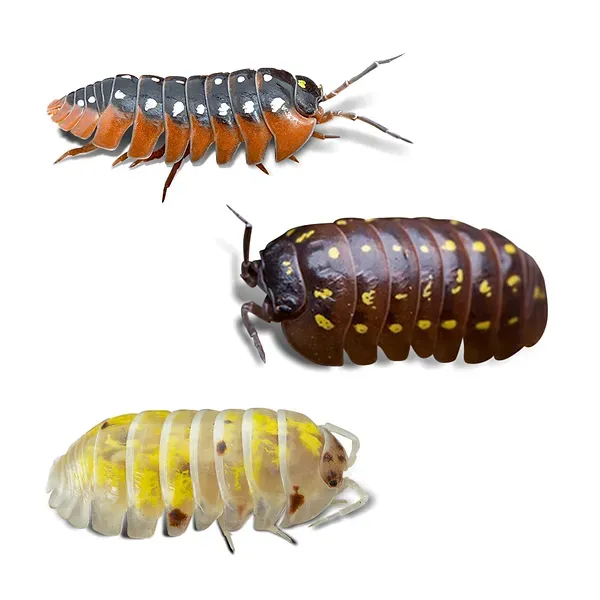
Moreover, the organic matter left behind by isopods enriches the soil, enhancing its structure and fertility. This is particularly beneficial in the UK, where various soil types, from clay to sandy soils, can benefit from the addition of organic material. By improving soil structure, isopods help maintain a balanced ecosystem that supports diverse plant and animal life.
Promoting Biodiversity
Isopods play a significant role in promoting biodiversity within their habitats. Their activities create microhabitats and niches that support a wide range of other organisms, from fungi and bacteria to insects and small mammals. For example, the decaying logs and leaf litter that isopods break down serve as breeding grounds and shelter for various species, contributing to the overall biodiversity of the area.
In UK gardens, encouraging the presence of isopods can lead to healthier, more diverse ecosystems. Gardeners can benefit from their natural waste management services, as isopods help break down compost and leaf litter, enriching the soil and promoting plant growth. Additionally, the presence of isopods can attract other beneficial organisms, creating a thriving mini-ecosystem right in one's backyard.
Pest Control
While isopods are often seen as harmless or even beneficial, they can also play a role in natural pest control. In agricultural settings, isopods can help manage pest populations by consuming decaying crop residues and reducing the habitat available for harmful pests. This natural form of pest control can reduce the need for chemical interventions, promoting more sustainable farming practices.
In urban settings, isopods can also contribute to reducing garden pests. By breaking down organic matter and maintaining healthy soil, they create an environment that supports beneficial predatory insects, further keeping pest populations in check. This symbiotic relationship highlights the interconnectedness of natural systems and the importance of maintaining healthy, balanced ecosystems.
Conclusion
Isopods may be small and often overlooked, but their contributions to UK habitats are immense. From waste management and nutrient cycling to soil aeration, biodiversity promotion, and natural pest control, these humble creatures play a vital role in maintaining the health and balance of our ecosystems. By understanding and appreciating the work of isopods, we can better protect and nurture the environments they help sustain.
Encouraging the presence of isopods in gardens, parks, and natural reserves can lead to healthier, more resilient ecosystems. As we strive to address environmental challenges and promote sustainability, recognizing the value of these tiny but mighty contributors is a step in the right direction. So, the next time you spot a woodlouse scurrying across the forest floor, remember the crucial role it plays in keeping our natural world thriving.