
For many of us, the name "air heat pump" conjures images of balmy summers and cool, air-conditioned rooms. But did you know that heat pumps are also a reliable source of warmth, even when the mercury plummets well below zero? Understanding how these marvels of modern engineering can maintain your home's comfort in cold climates may just change your perspective on the humble " Air heat pump (Luftvärmepump)."
What is an Air Heat Pump?
Before we plunge into the depths of winter operation, it’s important to grasp the basics. An air heat pump is essentially a device that can move heat from one place to another. In the context of home heating, it extracts heat from the outside air (yes, even chilly air has heat to give) and transfers it indoors, raising the temperature to a toasty level of comfort.
The marvel here is that heat pumps are not just heaters; they’re also air conditioners. By reverting the flow of refrigerant, they can cool your home in the summer, making them a versatile two-in-one HVAC system.
Defying Mother Nature
The common misconceptions about heat pumps are rooted in concerns about their efficiency in colder climates. It's true that older models were not as effective when temperatures dropped, but modern heat pumps come equipped with innovative features that allow them to operate even when Jack Frost is nipping at your nose.
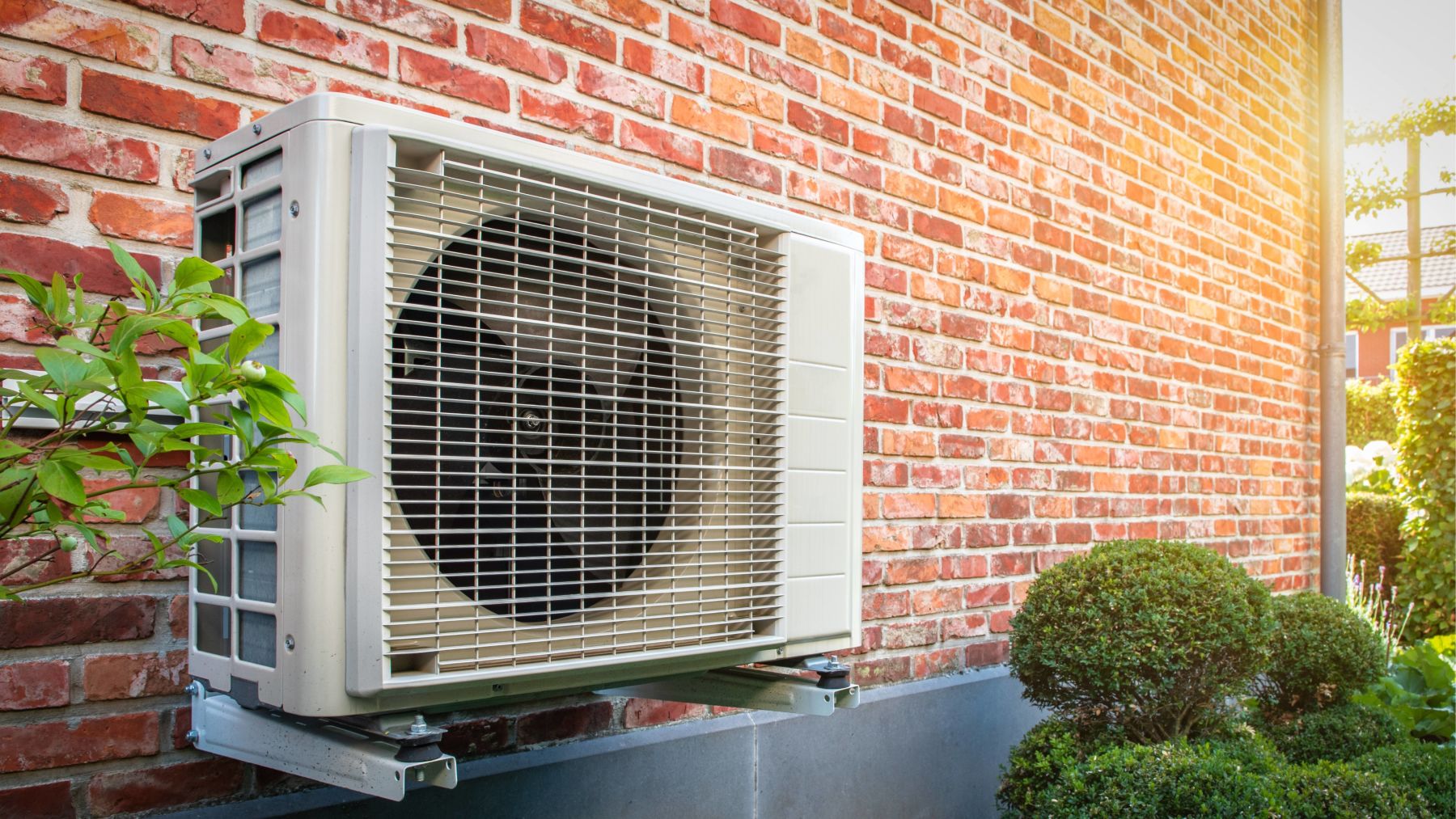
One such feature is the ability to defrost. When temperatures reach freezing, the moisture collected through the outdoor unit's heat exchange can turn to ice, hampering efficiency. To combat this, heat pumps can periodically switch to cooling mode, melting the ice and restoring their ability to effectively pull heat from cold air.
In extremely cold weather, some models also incorporate electric resistance heating, which kicks in to boost the heat output. While not as cost-efficient as the heat pump's primary heating method, it ensures a warm home when the weather is at its harshest.
The Numbers Don’t Lie—They Just Get Better
The efficiency of a heat pump is measured by the Heating Seasonal Performance Factor (HSPF), which accounts for the total amount of heating provided over a typical winter, divided by the amount of electricity used. In recent years, technological advances have increased the HSPF, making modern heat pumps far more efficient than their predecessors.
One notable development is the integration of variable-speed compressors, which allow the heat pump to operate at different levels of output to match the current heating requirement. This not only saves energy but also contributes to a more constant, comfortable temperature in your home.
Additionally, the proliferation of geothermal heat pumps, which draw heat from the earth instead of the air, signals a new frontier in efficient home heating. While installation costs may be higher, geothermal heat pumps offer incredible energy savings and can be a particularly attractive option for homeowners looking to make a long-term investment.
The Green Choice for Warmth
Perhaps the most compelling reason to consider an air heat pump for colder climates is its environmental friendliness. Unlike traditional furnaces, which burn fossil fuels to create heat, a heat pump simply transfers heat from one place to another, using electricity as the energy source. This means lower greenhouse gas emissions and a smaller carbon footprint for your household.
With the world's focus increasingly turning towards sustainability, the combination of improved efficiency and eco-friendliness makes the heat pump an enticing proposition for homeowners everywhere—from the temperate coasts to the chilliest of cold climates.
In Conclusion
The advent of newer, more efficient heat pump technology means that home comfort need not come at the expense of energy waste or environmental harm, even in the harshest of winters. By understanding and harnessing the potential of air heat pumps, homeowners can turn the chill of winter into a promise of a warm, cozy home that’s not only inviting but also sustainable. It's a heartening thought to warm our homes, and our planet, for the foreseeable future.