
Identity validation is becoming increasingly integral in Brazil as technological advancements transform how individuals and businesses interact. The incorporation of government data matching into identity verification checks against government databases and registries Brazil, security, and efficiency. Here’s a closer look at the advantages of this approach and why it’s trending as a key solution in many sectors.
An Improved Confidence in Identity Accuracy
Government data matching improves the reliability of information cross-checked through official records. By comparing individual data, such as names, dates of birth, and official identification numbers, with government databases, the accuracy of identity validation can be ensured.
This added credibility minimizes errors that previously occurred due to data inconsistencies or incomplete details, reinforcing trust among all participants involved in various processes. Institutions and organizations that rely heavily on verified identities, such as banks or public service providers, gain deeper confidence in their operations.
Elevated Security Standards
With cyber fraud on the rise, secure identity validation practices are essential. Government data matching bolsters security by creating an extra layer of protection against identity theft and fraud. Since the data is drawn from official and authoritative sources, unauthorized attempts to forge identities are more likely to be detected before harm occurs.
This approach deters malicious activities while giving individuals peace of mind knowing their personal information is verified and safeguarded against misuse.
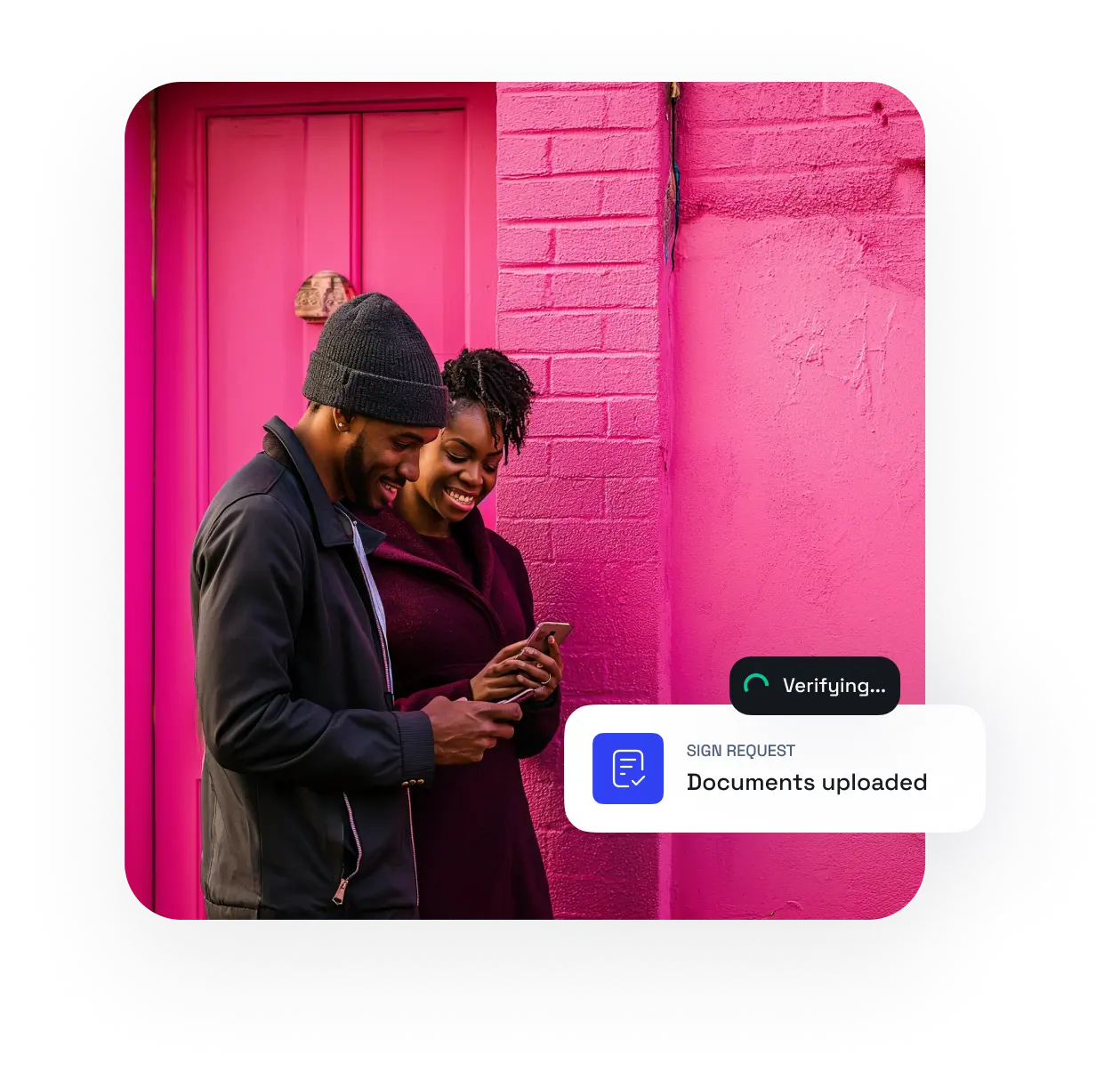
Streamlined Processes for Efficiency
The traditional methods of identity validation often involve manual cross-checking and submission of physical documents, processes that can be time-consuming and prone to errors. By integrating government data matching, the speed and efficiency of identity verification are dramatically enhanced.
Automated systems can validate information almost in real-time, ensuring faster processes for issuing official records, financial transactions, or accessing services. This quick turnaround not only saves time but also reduces administrative burdens for organizations.
Inclusivity Through Accessibility
By leveraging government data, identity validation services become more accessible to a broader segment of the population. Many individuals who were previously excluded due to a lack of resources or reliable personal documents can now have their identities verified through centralized records.
This inclusivity fosters socioeconomic growth as more citizens can participate in financial systems, access public services, and engage in job opportunities, further strengthening Brazil's social fabric.
Economic Benefits from Reduced Fraud
Fraudulent activities can lead to hefty financial losses for organizations, governments, and individuals alike. By implementing government data matching, organizations can minimize these risks, which directly translates into cost savings.
For businesses, verifying customer identities against trusted government data means mitigating the financial impact of fraud while building a reputation rooted in trust and dependability. At a national level, proper identity management systems contribute to the economy by reducing illegal activities and bolstering consumer confidence.
Adaptability for Future Innovations
Government data matching also lays a strong foundation for further advancements in identity validation technologies. Innovations such as biometrics, artificial intelligence, and blockchain can seamlessly integrate into a framework founded on accurate government records.
This adaptability ensures that the current system can evolve alongside emerging technologies to continually improve processes, enhance user experiences, and stay ahead of fraudsters.
Through government data matching, Brazil’s ability to validate identities has reached new heights. Enhanced accuracy, tighter security, streamlined processes, broader inclusivity, and fraud mitigation all contribute to building a more efficient and secure society. This innovative approach ensures that individuals and organizations can trust in the validation process, creating a foundation for growth and stability.